Day 4 began early at 6:30 AM with a group of our sophomores and juniors, alongside Mr. Tronicke and Mrs. Gomes, visiting Mary and Perla for milking.

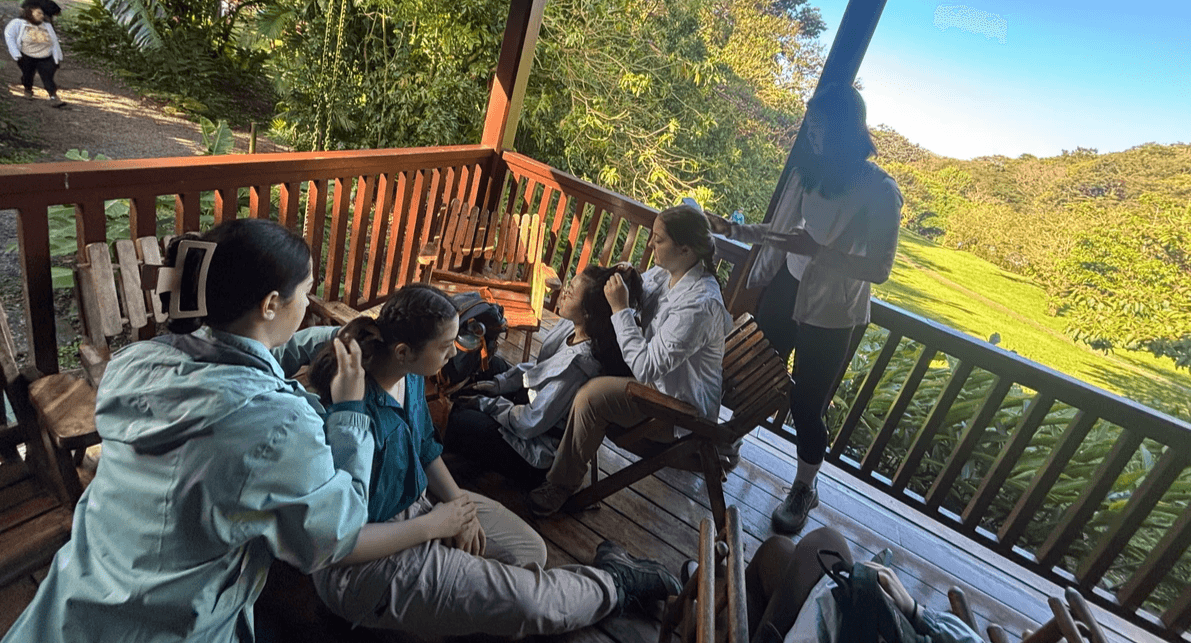
We had a breakfast of Gallo Pinto and freshly squeezed orange juice, and the girls braided one another's hair before we hit the road.
We arrived at Monteverde Cloud Forest Reserve at 8:30 AM and began our tour by observing some of the most beautiful hummingbirds upclose at their hummingbird gallery.

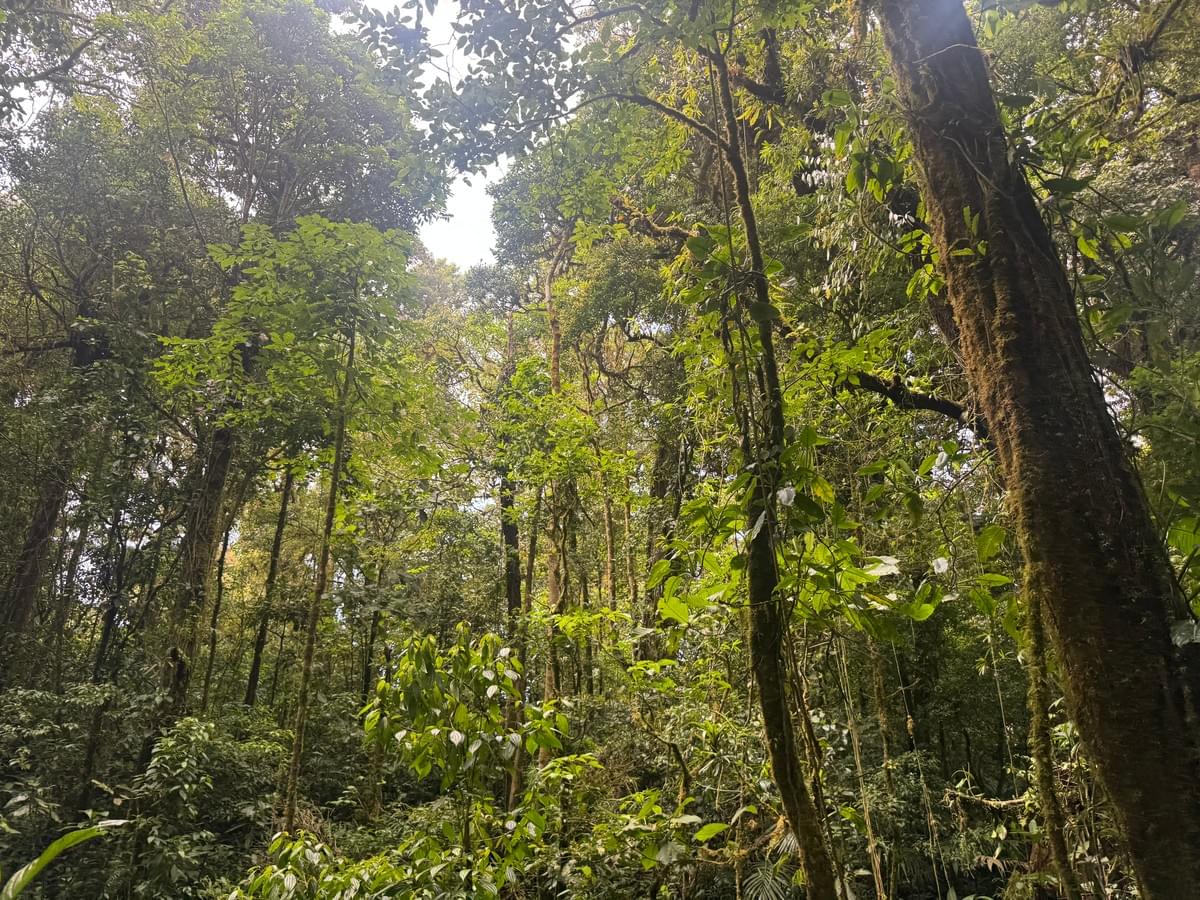
Our whole group was divided into 3 and each toured separately with a guide, who led us through the trails of the Cloud forest. We hiked the Heart of the Forest trail with Marvin, who pointed out beautiful plants, birds, and several animals. Some of the birds we saw included the yellow flycatcher, golden crowned warbler, and the very special Quetzal, unique to the high altitude cloud forests in Central America. To our good fortune, we caught a glimpse of several wild animals, including the spittlebugs, spider monkeys, stingless bees, and a very cool orange-kneed tarantula.


Marvin shared insights about the various plants we saw. Tiny microorchids, that were pollinated by mosquitoes, red shrimp plants that were scattered throughout the green forest, ojo de buey seeds (bullseyes) that have a tough leather exterior but hold the ingredients of serotonin and dopamine, and possible treatments for neurological problems. We saw fossil trees that are home to thousands of individual plants, mountain bamboo that takes 80 years to flower, wild tomatoes much tinier than our selectively bred ones, and so much more.



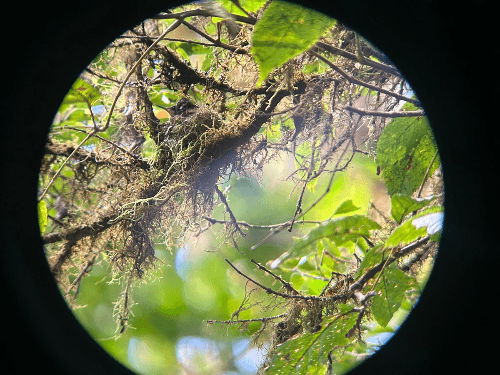
Our tour guide talked about how the hummingbird nests we saw, which are about 1.5 inches in diameter, are made with lichen, moss, plant fibers, and spider silk (the last of which allows the nest to stretch and enlarge as the chick grows).
After we had the opportunity to see a tarantula whole, he also explained how female tarantulas wait in their holes for their partners and sometimes eat them. If pepsis wasps, which have one of the world’s most painful stings, approach these female tarantulas, they sting and paralyze them, allowing the wasp to lay its eggs inside the spider.
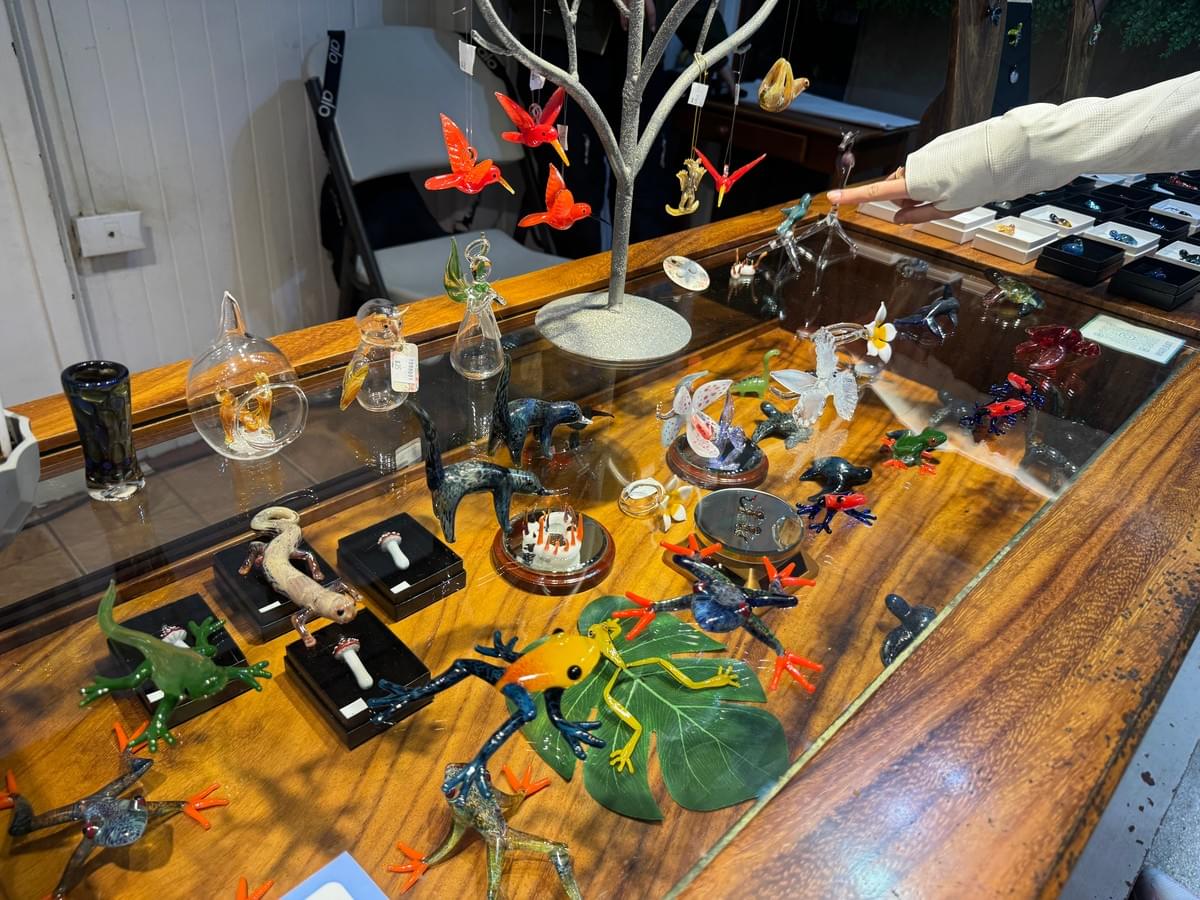
At the end of the trail, we were given 30 minutes to buy souvenirs such as glass-blown animals, magnets, plushies, chocolates, jewelry, shirts, wooden figures, and even seeds of some of the flowers we saw.
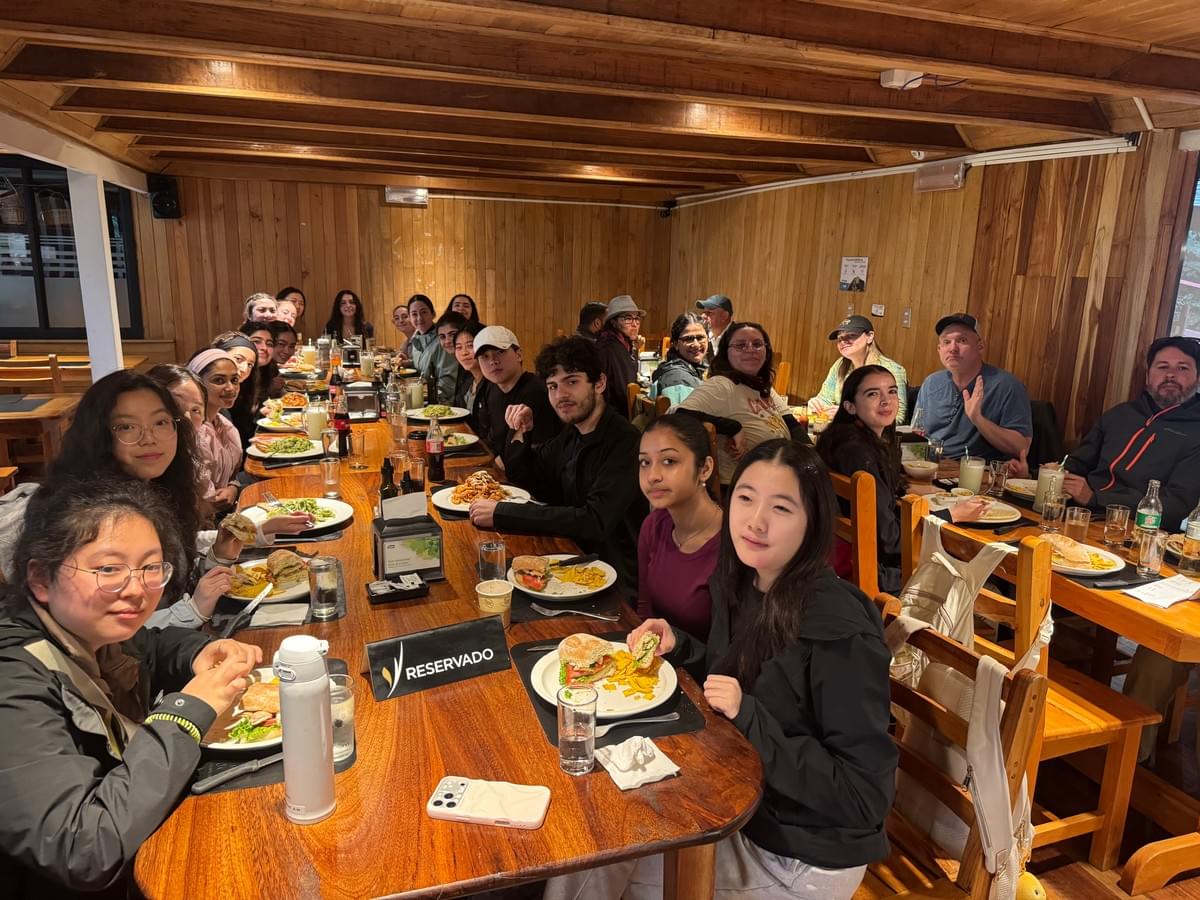
Lunch was served at Raices Restaurant, where we got to enjoy Cas, a sour guava drink, and dishes like sautéed mushroom paninis and pesto pasta, which the girls begged one another for a strand of.
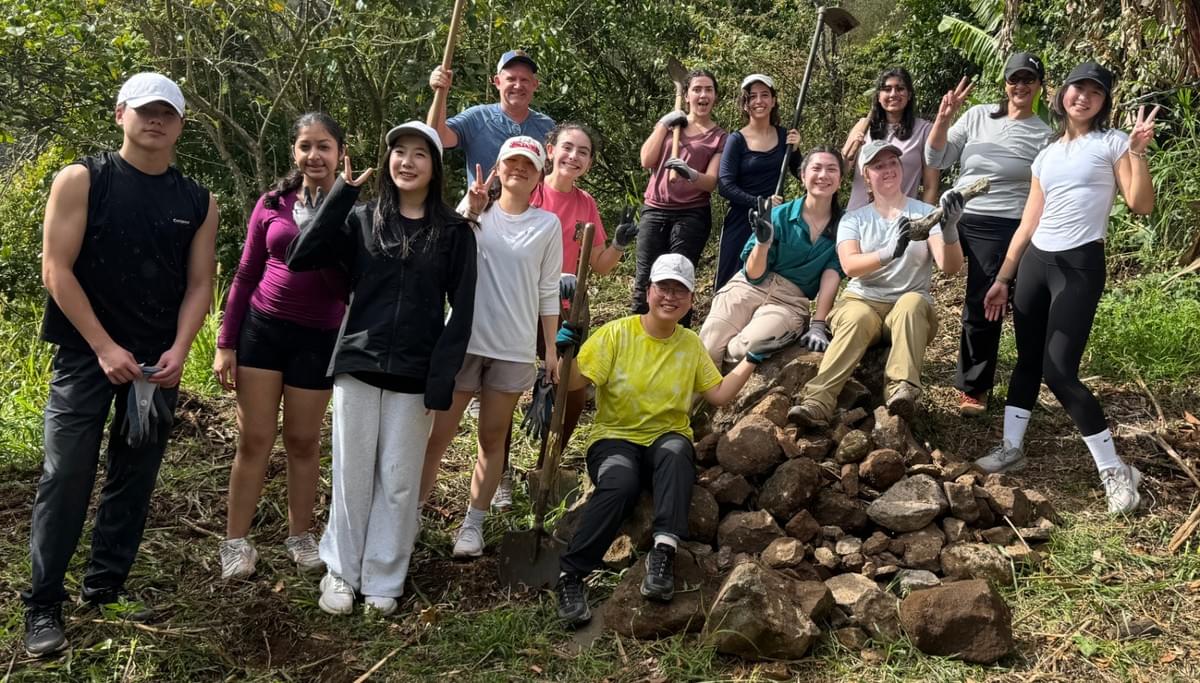
By 1:00 PM, we got into the buses and headed to a local family-owned farm. We came to volunteer, as the owner runs the huge farm with only her daughter and a friend. After splitting up into three groups, we bagged gravel, cleared out dead branches, and dug out weeds and rocks in preparation for building an onion patch, on the side of the mountain. While weeding and removing rocks we suprisingly found a cows leg bone!


The owner rewarded us with sweet carrot juice and homemade frosted donuts, which we devoured while watching the view of the mountains from the swings. Before leaving, we got the chance to buy some of the owner’s hand-knit felt plushies and embroidered cloth napkins.


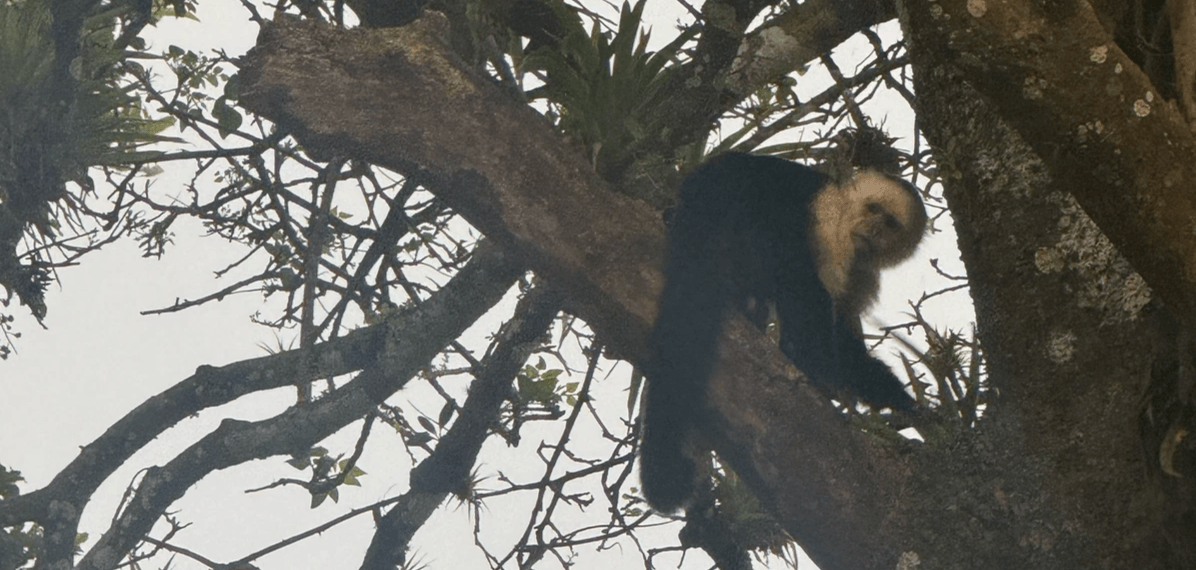
When we arrived back at campus, some of us were lucky enough to catch sight of a group of white-faced capuchin monkeys, including a mother with a baby on her back.
After dinner, we all met at the Motmot room for dance lessons. The latin dance class began at 7:00 PM and we were taught several traditional latin dances which included the romantic bachata, the fast paced merengue, the more complex salsa and the cha cha cha.